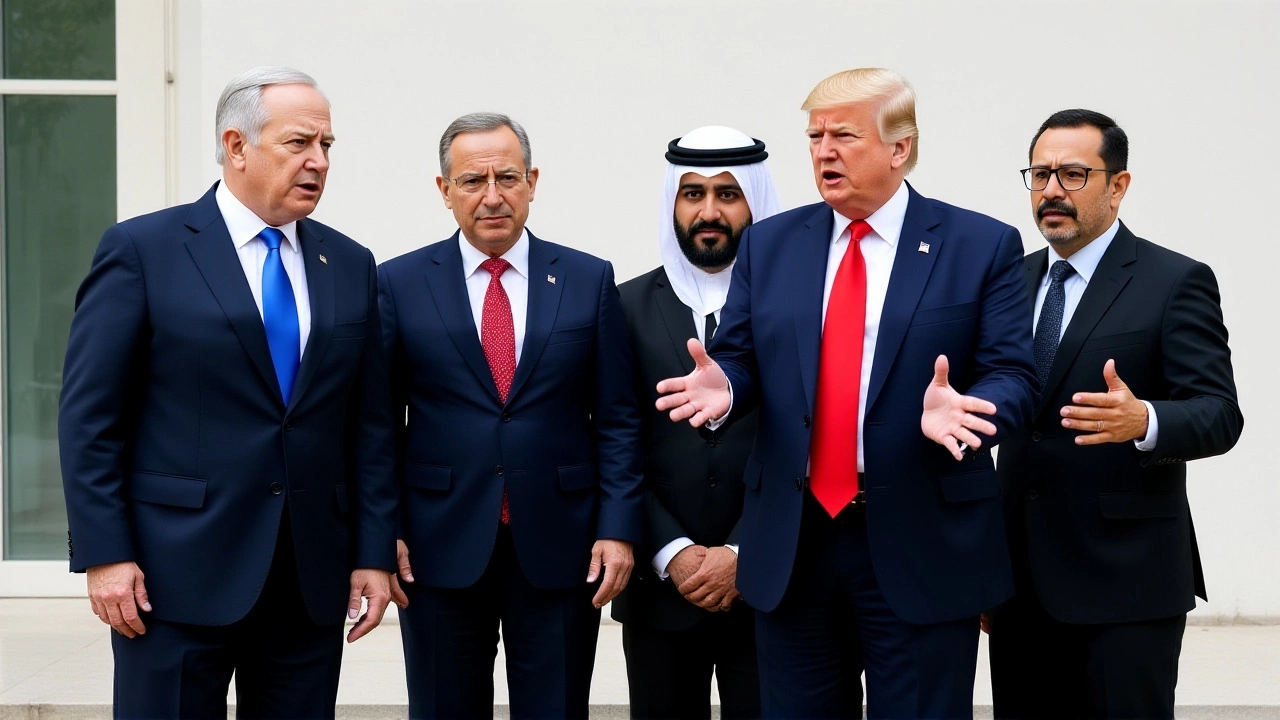
When Donald Trump, former U.S. President, took to his social media platform Truth Social on Monday, May 25, he didn’t just share an opinion—he issued a direct challenge to the geopolitical status quo of the Middle East. He called on Saudi Arabia, Qatar, Pakistan, Turkey, Egypt, and Jordan to sign the Abraham Accords, effectively recognizing Israel as a partner in regional security and trade.
The timing is no accident. With peace talks between the U.S. and Iran reportedly gaining momentum, Trump is positioning these accords not just as a diplomatic victory from his first term, but as the essential precondition for lasting stability. His message was blunt: if you want peace with Iran, you need to normalize ties with Israel first.
The New Push for Regional Normalization
Here’s the thing about Trump’s strategy—it’s less about idealism and more about leverage. By linking the resolution of tensions with Iran to broader Arab-Israeli normalization, he creates a high-stakes bargaining chip. In his post, he explicitly stated that countries mediating peace talks with Tehran should also join the Abraham Accords. He even suggested that Iran signing such an agreement would be a "matter of honor," framing it as part of a larger peace process rather than a concession.
According to reports from Reuters via *Patrika*, Trump personally called leaders of several Muslim-majority nations to make this appeal. He described their potential participation as a "historic step" that would solidify any future deal with Iran. The underlying logic? If Saudi Arabia, Qatar, and others recognize Israel, it isolates Iran diplomatically and economically, forcing Tehran to the negotiating table on American terms.
Pakistan’s Sharp Rejection
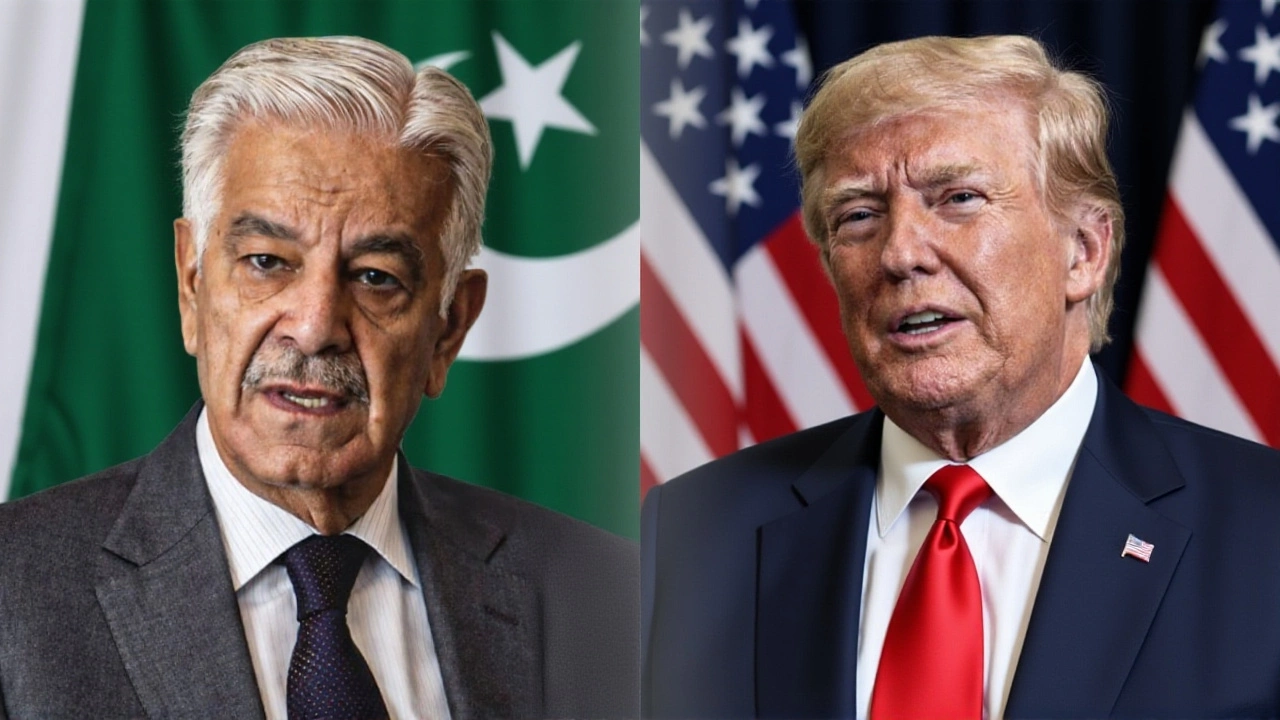
But wait—this isn’t going over well everywhere. Pakistan has already drawn a line in the sand. Government sources told reporters that Islamabad views the Iran negotiations and Israeli normalization as two entirely separate issues. They refused to bundle them together.
"Pakistan will not make decisions under pressure," one official stated firmly. This rejection is significant because it highlights the limits of American influence in South Asia. Unlike the Gulf states, which have strategic economic interests aligned with both Washington and Tel Aviv, Pakistan’s foreign policy remains deeply tied to its stance on Kashmir and its solidarity with the Palestinian cause. For now, Trump’s call has hit a wall in Islamabad.
Understanding the Abraham Accords
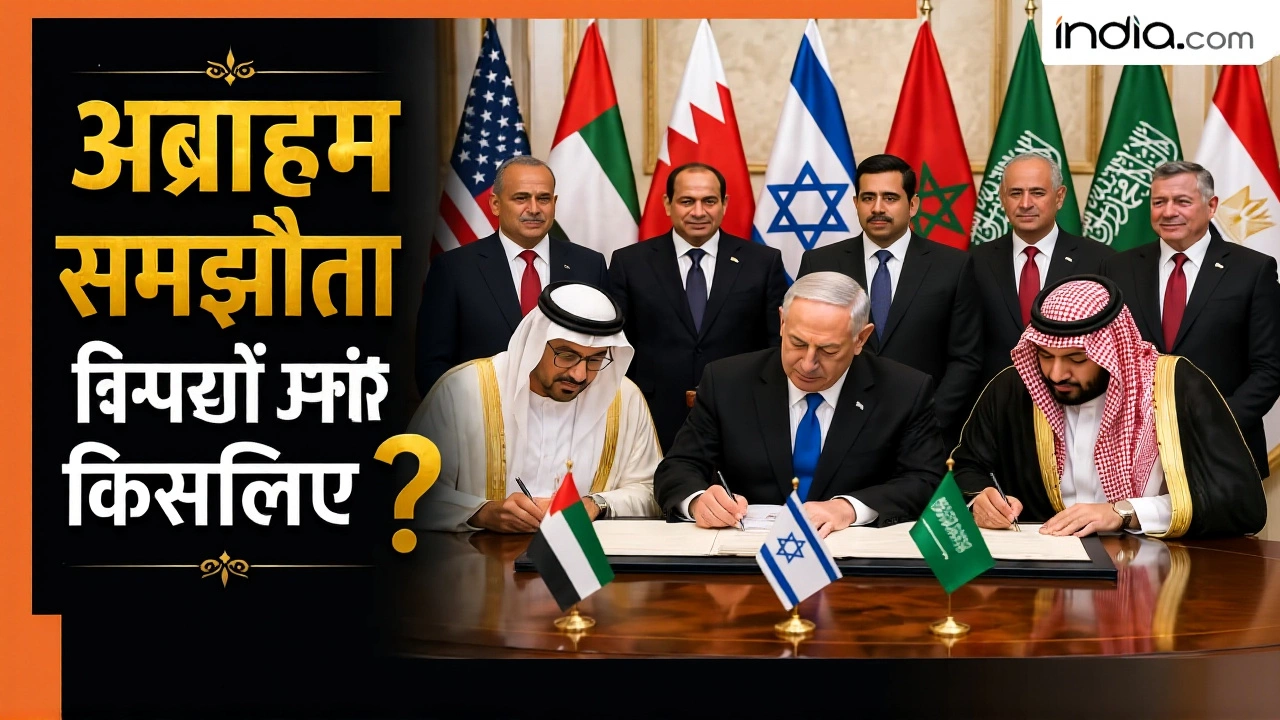
To understand why this push matters, we need to look back at September 15, 2020. That’s when the original Abraham Accords were signed at the White House. Brokered by Trump’s administration, the deal normalized relations between Israel and three Arab nations: United Arab Emirates, Bahrain, and later Morocco and Sudan.
The name itself is symbolic—referencing Prophet Abraham, a figure revered in Judaism, Christianity, and Islam. The goal was to create a framework for cooperation in tourism, technology, security, and trade. Since then, direct flights have started, embassies have opened, and billions in joint ventures have been announced. It was Trump’s signature foreign policy achievement, often cited as proof that personal diplomacy can overcome decades of hostility.
Who’s Next? The Saudi Question
Now, the eyes of the region are on Riyadh. While Saudi Arabia hasn’t officially joined yet, whispers suggest they’re close. Some Indian news analysis videos claim Kazakhstan recently signaled interest, marking the first Central Asian nation to potentially engage with the framework. But the real prize for Washington is Saudi Arabia.
If Saudi Arabia joins, it legitimizes the entire project. It signals that the largest economy in the Arab world sees Israel not as an enemy, but as a necessary ally against Iranian influence. However, domestic politics in Riyadh remain complex. King Salman and Crown Prince Mohammed bin Salman must balance public sentiment—which largely supports Palestine—with pragmatic security concerns.
Why This Matters Beyond Borders
This isn’t just about Middle Eastern maps. It’s about energy security, global trade routes, and the future of American hegemony. A stabilized Middle East means lower oil volatility. It means fewer distractions for U.S. military resources. And for businesses, it opens up new markets for tech and defense contracts.
Yet, critics argue that bypassing the Palestinian issue undermines long-term peace. Without addressing the core conflict between Israelis and Palestinians, these accords may only create temporary calm while leaving underlying tensions intact. As one analyst put it, "You can’t build a house on a cracked foundation."
Frequently Asked Questions
What exactly are the Abraham Accords?
The Abraham Accords are a series of normalization agreements brokered by the United States in 2020. They established diplomatic, economic, and security ties between Israel and several Arab nations, including the UAE, Bahrain, Morocco, and Sudan. The deals include provisions for opening embassies, launching direct flights, and cooperating on technology and tourism.
Why is Donald Trump pushing for more countries to join now?
Trump views the accords as a key lever in current peace negotiations with Iran. He believes that expanding the network of countries recognizing Israel will isolate Tehran diplomatically and economically, thereby increasing pressure on Iran to reach a nuclear or security deal. He sees it as a way to lock in regional stability during ongoing talks.
Why did Pakistan reject the proposal?
Pakistan rejected the idea because it considers its relationship with Iran and its stance on Israel as separate issues. Pakistani officials emphasized that they will not make foreign policy decisions under external pressure. Additionally, Pakistan maintains strong ties with the Muslim world and supports the Palestinian cause, making normalization with Israel politically sensitive domestically.
Is Saudi Arabia likely to join the Abraham Accords?
Saudi Arabia is considered the most critical potential member. While no official announcement has been made, there are indications that Riyadh is open to closer ties with Israel, primarily due to shared concerns about Iran. However, any move requires careful balancing of domestic public opinion, which remains supportive of Palestine, and regional leadership expectations.
How does this affect the Israeli-Palestinian conflict?
Critics argue that the Abraham Accords sideline the Palestinian issue by focusing solely on Arab-Israeli normalization without addressing Palestinian statehood or rights. Supporters counter that improved regional stability creates better conditions for future negotiations. Currently, the accords do not include provisions for resolving the core Israeli-Palestinian dispute.